

Understanding Sensitive Periods in Adolescence using Secondary Data
SDA-SPA is an Economic and Social Research Council - funded project, investigating sensitive periods of adversity in adolescence, and interrogating the types and timing of social adversity during adolescence. We have been employing mixed methods and multiple data sources: ranging from leveraging longitudinal cohort data (N ~ 12,000 participants) to qualitative analyses of support practitioners’ perspectives to gain insight into the issues young people face.
Find out more:
Kwok, M. S.+, Inman, A. A.+, Bates, K. E.+, & Fuhrmann, D.+ (preprint). The co-occurrence of social adversities in early adolescence and their relationship to cognitive outcomes later in development. doi: 10.31234/osf.io/rhj4n + joint first and last authors.
Inman, A., Chen, S., Contini, E., Orben, A., Kievit, R., Kulbayeva, Z., Shah, M., Pollmann, A., Fuhrmann, D.+, Bates, K. E.+ (2023), “I am concerned about young people’s mental health and that they have less hope for their future.”: Practitioners’ emerging concerns for young people between June 2019 to November 2021, Barnardo’s Children’s Charity. https://www.barnardos.org.uk/practitioners-concerns-issues-facing-young-people. +joint last authors.
Pollmann, A., Fritz, J., Barker, E. D., & Fuhrmann, D. (2022). Networks of adversity in childhood and adolescence and their relationship to adult mental health. Research on Child and Adolescent Psychopathology. doi: 10.1007/s10802-022-00976-4
Kievit, R. A., McCormick, E. M.+, Fuhrmann, D.+, Deserno, M. K.+, & Orben, A.+ (2022). Using large, publicly available data sets to study adolescent development: opportunities and challenges. Current Opinion in Psychology, 44, 303–308. doi: 10.1016/j.copsyc.2021.10.003, + joint last authors
Project Team
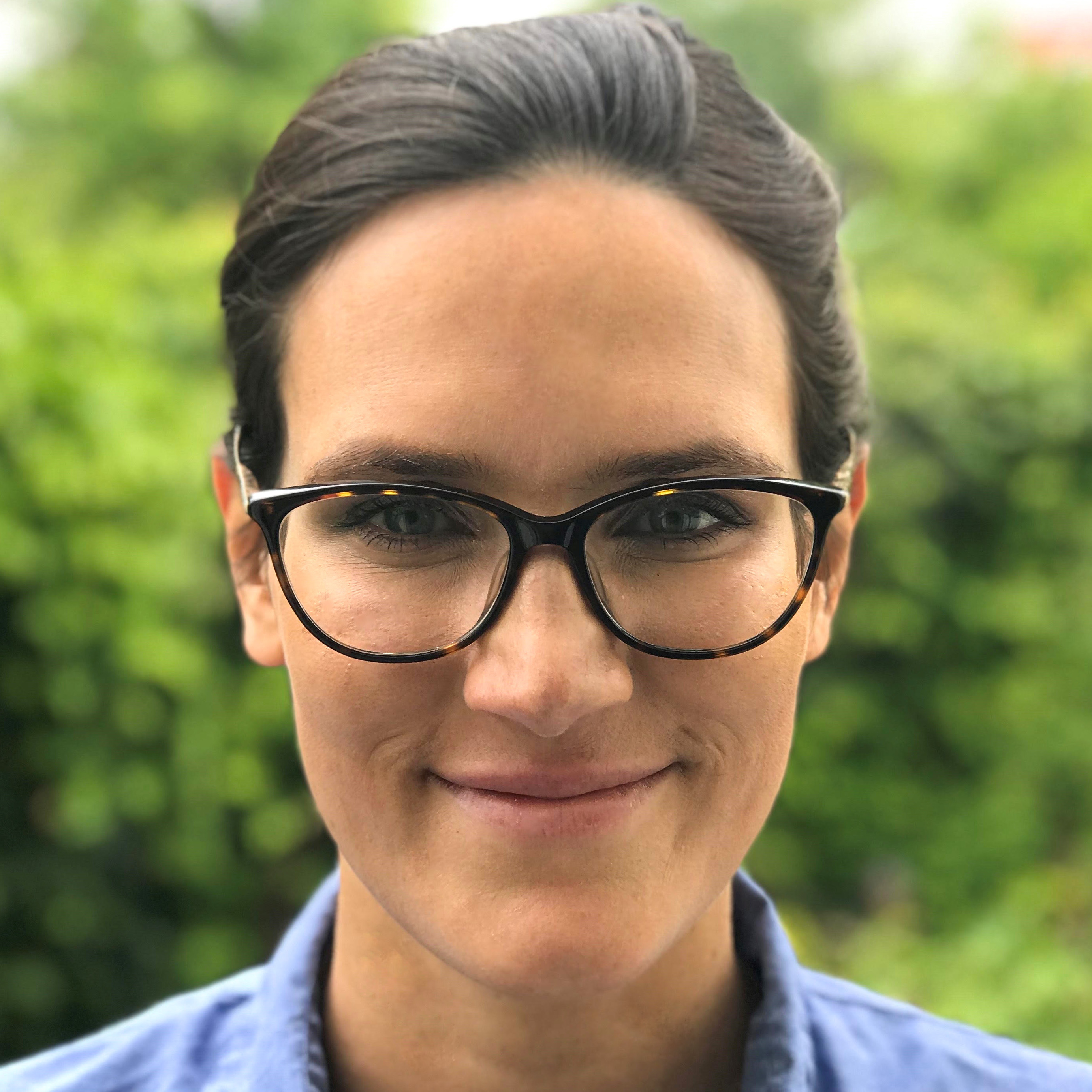 Dr Delia Fuhrmann
Principal Investigator
KCL, UK
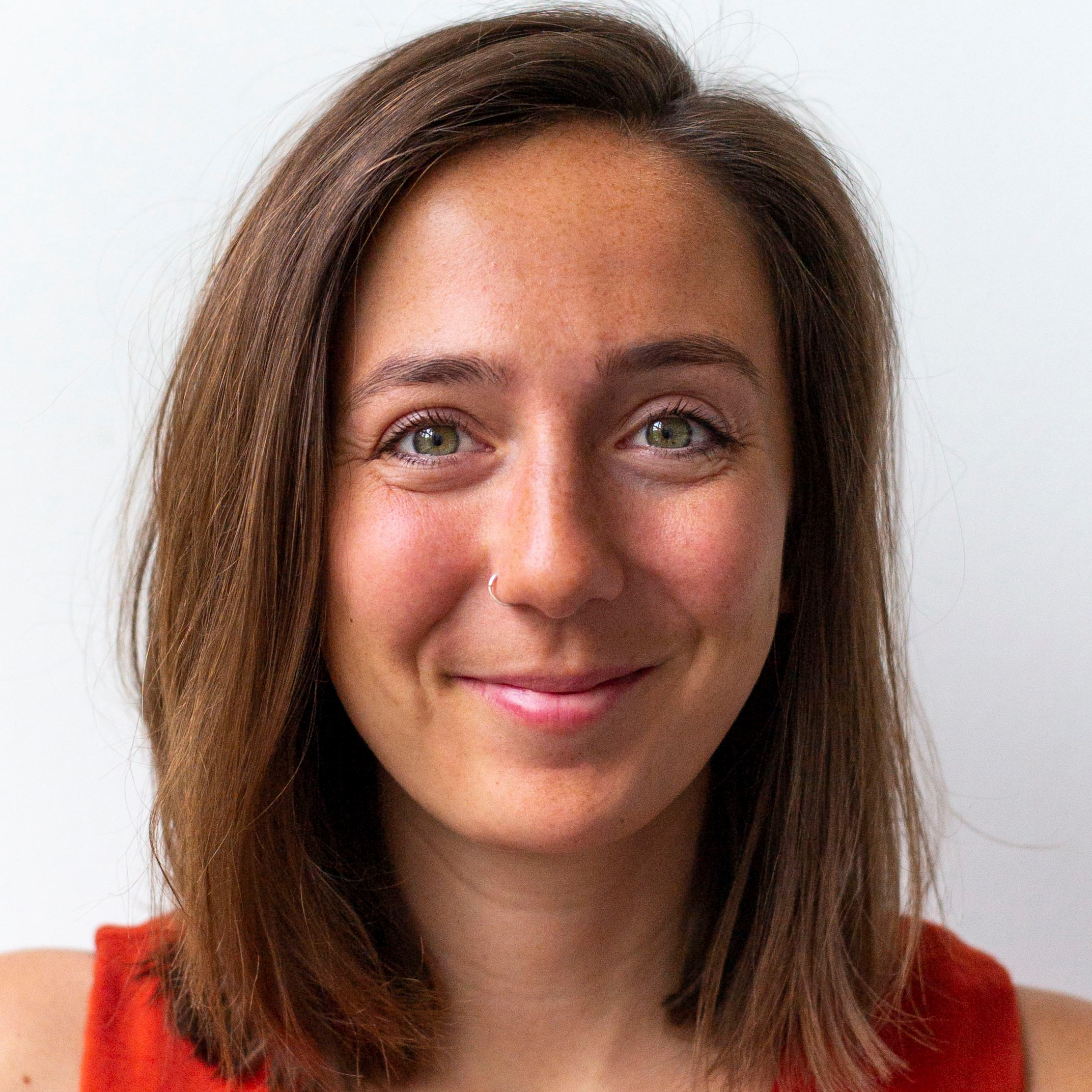 Dr Kathryn Bates
Postdoctoral Researcher
KCL, UK
 Prof Rogier Kievit
Co-Investigator
The Donders Institute, NL
To contact the team, please visit https://life-map-lab.com/team/.
Thank you!
Ayla Pollmann, Amber Inman and Man Shiu Kwok have made invaluable contributions to the project as Research Students.
Mariam Shah and Afraa Din have been our excellent young person advisors.
This research would not be possible without the research volunteers and scientists, who contribute to cohort studies, and so generously share their data. For this project, we worked with Understanding Society, ABCD and ALSPAC.
We thank Barnardo’s Charity, who have collaborated with us on this project.
We thank the Economic and Social Research Council for funding this Project under the Secondary Data Analysis Initiative.